Biometric Wearables Reshape Prop Line Adjustments Across Combat Sports Circuits During Extended Tournament Stretches
Otto Griffin · Sep 12, 2026
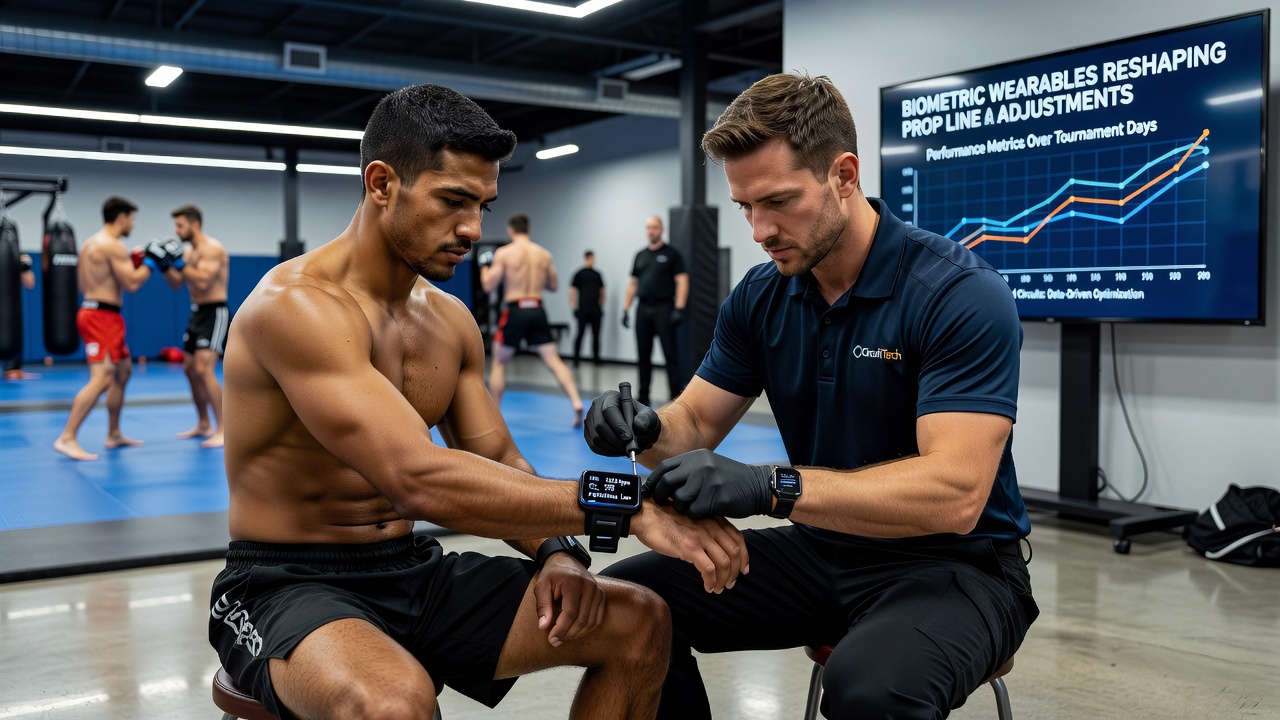
Biometric Wearables Reshape Prop Line Adjustments Across Combat Sports Circuits During Extended Tournament Stretches
Biometric wearables collect continuous streams of physiological data that organizations now integrate into performance monitoring systems across combat sports, and these devices track metrics such as heart rate variability, muscle oxygen saturation, sleep duration, and recovery scores during multi-week tournament schedules. Data from these sensors feeds into analytical models that refine expected performance ranges for individual bouts, which in turn influences how statistical projections shift when fighters compete in successive rounds over extended periods.
Core Metrics Captured by Wearable Technology
Devices monitor heart rate variability to indicate autonomic nervous system balance while muscle oxygen sensors measure localized fatigue in key areas like the quadriceps and forearms, and accelerometers log impact forces during sparring sessions. Researchers note that sleep tracking provides nightly breakdowns of deep and REM stages, which correlate with reaction time and decision-making speed in later tournament stages, and organizations combine these inputs with baseline medical assessments to establish individualized thresholds.
Coaches and analysts review aggregated data sets after each bout, and adjustments occur when cumulative fatigue indicators exceed established parameters, which prompts revisions to projected output metrics for upcoming matches. Studies from the Australian Institute of Sport have documented how such continuous monitoring reveals patterns in recovery that single-point assessments miss during dense fight calendars.
Application in Prolonged Tournament Formats
Combat sports circuits that span several weeks, including regional MMA leagues and international boxing series, rely on wearable outputs to update performance baselines between events. When a fighter shows declining heart rate variability after three consecutive bouts, models recalibrate expected striking accuracy and takedown defense for the next contest, and these recalibrations occur within hours of data upload rather than days. Tournament organizers in multiple regions now require standardized data submission protocols to maintain consistency across different promotions.
What's notable is that data integration happens through secure cloud platforms that feed directly into statistical dashboards used by performance teams, and this setup allows rapid identification of outliers such as unexpected spikes in resting heart rate that may signal overtraining or minor illness. Observers note that circuits running extended schedules in 2025 and 2026 adopted these systems at higher rates than shorter one-off events.
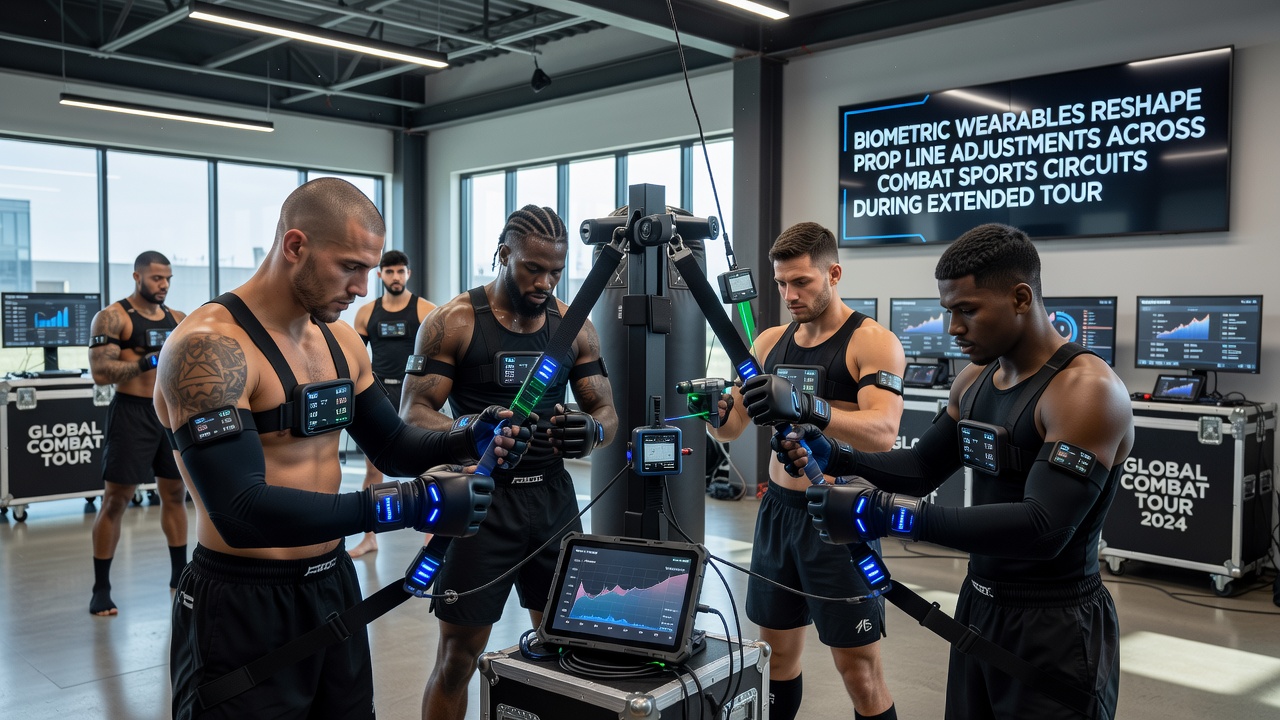
Regulatory and Technological Developments Scheduled for 2026
Beginning in September 2026 several major combat sports governing bodies plan to mandate minimum data collection standards for athletes participating in tournaments longer than ten days, and these guidelines specify sensor placement, sampling frequency, and data formatting requirements. The American College of Sports Medicine has published position stands that outline best practices for integrating wearable outputs with traditional medical evaluations, and these recommendations influence how federations structure their monitoring programs.
Technology providers have responded by releasing updated firmware that improves battery life and reduces motion artifacts during high-intensity exchanges, while data security protocols now align with international standards for athlete health information. Those who have implemented early versions of these systems report smoother workflows when updating performance projections between consecutive fights.
Geographic Variations in Adoption
North American promotions have focused on integrating wearables with existing strength and conditioning staffs, whereas European circuits emphasize cross-border data sharing agreements that allow consistent tracking when fighters travel between countries. Australian and Asian events have tested hybrid models that combine on-site medical staff with remote analytics support, and these approaches produce comparable updates to performance metrics despite differing infrastructure levels. Each region reports measurable shifts in how recovery data influences bout preparation timelines during extended schedules.
Conclusion
Biometric wearables supply granular physiological information that supports ongoing recalibration of performance expectations throughout extended combat sports tournaments, and the combination of continuous monitoring with standardized protocols continues to evolve ahead of the September 2026 regulatory updates. Organizations across multiple continents now treat sensor-derived data as a core input when reviewing fighter readiness between bouts, which produces more responsive adjustments to statistical projections as events progress. The pattern shows steady expansion of these systems into additional circuits and formats as hardware reliability and data integration tools improve.